

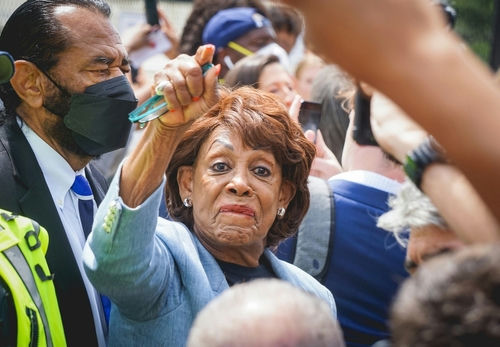
Rep. Maxine Waters, 87, refuses to support an age limit for Congress, telling TMZ that even 100-year-olds can serve if they’re “good”—a stance that exposes how out-of-touch career politicians cling to power while Americans demand term limits and fresh leadership.
Waters Defends Unlimited Age for Lawmakers
Rep. Maxine Waters declined to endorse any age ceiling for congressional service when confronted by a TMZ correspondent in Washington, D.C. on May 14, 2026. When asked whether 100 years old is too old to serve in Congress, Waters rejected the premise entirely, insisting that capability matters more than chronological age. Her response underscores a fundamental disconnect between career politicians who view their positions as lifetime appointments and frustrated Americans who believe fresh perspectives and generational turnover are essential to effective governance.
Maxine Waters Won’t Say 100 Is Too Old to Serve In Congress During TMZ Grillinghttps://t.co/luuBC6lsSQ
— Mediaite (@Mediaite) May 14, 2026
Career Politicians Resist Accountability Measures
Waters later appeared on TMZ Live to reinforce her position, encouraging viewers to “Keep saying it!” in reference to the outlet’s framing of the age debate. This defiant stance reveals how entrenched incumbents resist any mechanism that might limit their hold on power, whether through term limits, age restrictions, or mandatory retirement. The U.S. Constitution establishes minimum ages for federal office but imposes no maximum, leaving voters as the sole check on aging representatives. However, many Americans across the political spectrum believe this framework enables a gerontocracy that prioritizes incumbency over competence and institutional longevity over accountability to constituents.
Gerontocracy Fuels Bipartisan Frustration
The age-limit question reflects deeper public dissatisfaction with a Congress increasingly dominated by octogenarians who many believe are disconnected from the economic struggles, technological realities, and generational priorities of working Americans. Waters herself has served since 1991, accumulating power and seniority while median household wealth has stagnated and trust in government has collapsed. Both conservative and liberal voters increasingly agree that career politicians prioritize reelection and personal enrichment over solving problems like inflation, illegal immigration, and fiscal mismanagement. Waters’ refusal to even consider an age threshold demonstrates how the political class protects its own interests at the expense of democratic renewal.
🚨 MAXINE WATERS, 87, REFUSES TO RULE OUT A 100-YEAR-OLD RUNNING FOR CONGRESS 😂
This walking fossil is out here dodging age limits and saying voters should just “evaluate” if a centenarian is still an “effective fighter.” pic.twitter.com/QdWWqzXMZ9
— Gunther Eagleman™ (@GuntherEagleman) May 15, 2026
Voters Demand Fresh Leadership
Public debate over congressional age has intensified as Americans witness declining cognitive sharpness and institutional sclerosis among senior lawmakers. While Waters argues that individual capability should determine fitness for office, critics counter that voters rarely have the information or electoral competition necessary to make informed judgments about mental acuity and physical stamina. The absence of mandatory health disclosures or performance benchmarks allows declining representatives to remain in office through name recognition and party apparatus support, entrenching a system that favors incumbents over accountability. This dynamic fuels the perception that Washington’s elite prioritize their careers over the national interest, a concern shared by citizens who feel alienated from a government run by and for the powerful few.
Sources:
TMZ, “Rep. Maxine Waters Says No One Is Too Old To Serve If They’re Good,” published 05/14/2026
TMZ, “Maxine Waters | Latest Videos”