
A sitting Mexican senator now facing life in a U.S. prison stands accused of helping a cartel flood American streets with fentanyl while hiding behind the power of elected office.
Alleged Cartel Senator in U.S. Custody
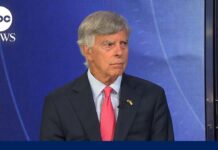
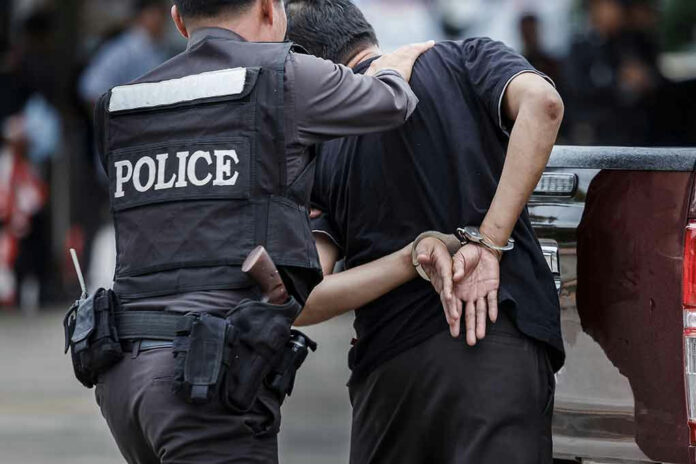
Enrique Inzunza Cazárez, a 53-year-old senator from Sinaloa with Mexico’s ruling Morena party, is now in U.S. custody after reportedly crossing into San Diego and surrendering to the Drug Enforcement Administration. A superseding indictment from federal prosecutors in New York accuses him of conspiring with the Sinaloa Cartel’s Los Chapitos faction to move fentanyl and other narcotics into the United States. If convicted, he faces narcotics and weapons charges that could mean life in prison.
The indictment is part of a broader U.S. push to hold foreign officials accountable when their actions contribute directly to America’s drug epidemic. Prosecutors allege that Inzunza was not a bystander but an active political facilitator for cartel interests, using his insider status and long career in Sinaloa’s government to shield traffickers. Reports indicate his legal team discussed a voluntary surrender, fueling speculation that he may eventually cooperate as a witness against other powerful figures.
Network of Officials Tied to Los Chapitos
The same New York case targets at least ten current and former Mexican officials and associates tied to Sinaloa’s ruling class. Among them is former Sinaloa Governor Rubén Rocha Moya, a fellow Morena politician who reportedly stepped down after being indicted and is now believed to be in hiding. Also named are retired general and ex-public security secretary Gerardo Mérida and businessman Enrique Díaz Vega, both described in media reports as part of a protection network for cartel operations.
According to summaries of the superseding indictment, these officials allegedly met with Los Chapitos and agreed to “specific plans” where state power would be used to protect cartel activities. In exchange, the cartel supposedly provided money, political backing, and intimidation muscle to keep its preferred politicians in office. That alleged symbiosis—guns and cash on one side, government shields on the other—is exactly what many Americans fear when they talk about “narco-states” and a global elite that treats the law as optional.
Fentanyl, Sovereignty, and a Failing Status Quo
This case lands at a moment when fentanyl overdoses have devastated families from rural Appalachia to inner-city neighborhoods, and Americans are demanding answers. U.S. officials describe the Sinaloa Cartel as a terrorist-like organization that weaponizes corruption and bribery. When a sitting senator is accused of partnering with such a group, it confirms suspicions that the drug crisis is not just about street dealers but about political systems compromised from the top down—on both sides of the border.
For conservatives, the story underscores long-standing concerns about porous borders, weak enforcement, and foreign governments unwilling or unable to control cartels. For many liberals, it reinforces fears of a global system where powerful insiders enrich themselves while working-class communities pay the price. Both sides see the same basic pattern: officials sworn to protect citizens instead cutting deals with violent traffickers, then relying on bureaucracy and diplomatic talk to avoid accountability.
What It Means for U.S.–Mexico Relations and American Security
By hauling a sitting Mexican senator into U.S. court, Washington is signaling that sovereignty will not shield foreign elites who help poison Americans. That aggressive stance also carries risks: diplomatic friction, potential retaliation inside Mexico, and questions about whether the United States is doing enough to clean up corruption within its own ranks. Previous high-profile cases, like those against former Mexican security chiefs, show that these prosecutions can expose deep rot but rarely fix broken systems by themselves.
Captured https://t.co/SULsWQaG3A
— David Livingston (@Livingston4AZ) May 17, 2026
Americans watching this case unfold will rightly ask whether their own leaders are equally serious about securing the border, dismantling trafficking networks, and resisting pressure from well-connected interests that profit from chaos. The Inzunza indictment highlights a truth many on the right and left already feel: when government becomes a career path for the ambitious instead of a duty to the public, it is ordinary citizens—overdosing in small-town hospitals, mourning lost children—who pay the price.
Sources:
Mexican senator reportedly arrested in San Diego for alleged cartel crimes
New: Mexican Senator Tied to Sinaloa Cartel Arrested in San Diego