
A 34-year CIA veteran warns the U.S.-Israel war with Iran, now three months in, teeters at a critical point and could drag on for months, defying hopes of swift regime change.
Operation Epic Fury Ignites the Conflict
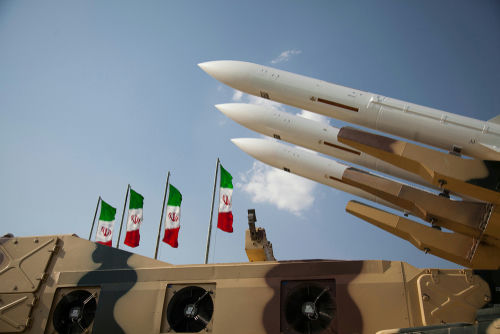
U.S. and Israeli forces struck nearly 900 targets across Iran on February 28, 2026. B-2 stealth bombers hit underground nuclear sites at Fordow and Natanz with bunker-buster bombs. Submarines launched Tomahawks at Isfahan infrastructure. Supreme Leader Ali Khamenei died in strikes on his Tehran office, alongside senior leaders. Iran reported 168 deaths at a Minab girls’ school near a naval base. Retaliation targeted Israel, U.S. bases in Kuwait, Bahrain, Qatar, and UAE.
Iran’s Asymmetric Retaliation Expands the Battlefield
Iran sank U.S. assets and fired drones at Kuwaiti bases, killing six American troops on March 1. Houthis in Yemen launched ballistic missiles at Israel by March 28. U.S. forces destroyed 19 Iranian ships, one submarine, and 2,000 targets. Trump issued a 48-hour ultimatum on March 22 for Iran to reopen the Strait of Hormuz, later extended. Strikes shifted to steelworks, aiming to cripple Iran’s economy. No regime collapse emerged despite leadership decapitation.
Ex-CIA Experts Sound the Alarm on Duration
Norman T. Roule, CIA’s former National Intelligence Manager for Iran from 2008-2017, stated in May 2026 the war remains at a critical juncture. His 34 years of service, including Middle East residency, underpin warnings of multi-month continuation. William J. Burns, ex-CIA Director, analyzed the war’s course and consequences, highlighting oil shocks and regional fallout. These insiders contrast Trump administration optimism on regime change with risks of insurgency and U.S. ground commitments.
Trump’s Strategy and American Casualty Risks
President Trump ordered Epic Fury to neutralize Iran’s nuclear threat and proxies menacing Israel. He addressed the nation, noting American heroes’ lives may be lost, as happens in war. U.S. Central Command deployed 3,500 sailors and Marines on USS Tripoli, plus 82nd Airborne elements. Gulf allies hosting bases faced direct hits. Facts support Trump’s preemption given Iran’s imminent nuclear breakout, aligning with conservative priorities of Israel security and energy dominance over endless diplomacy.
Former CIA boss fears Iran war will ‘continue for a number of months’ https://t.co/QmogcDhBGX pic.twitter.com/OTf8ct8ZT9
— bulletinindy (@bulletinindy) May 14, 2026
Global Stakes: Oil, Economy, and Endgame Uncertainties
Strait of Hormuz threats endanger 20% of world oil, spiking prices and hitting consumers. Iranian resilience via missiles and proxies suggests no quick victory. Potential regime change could yield people’s control, but experts fear prolonged grind like post-coup blowback from 1953. U.S. faces domestic debate on costs amid strained ties with China and Russia. Roule’s realism tempers hype, urging preparation for sustained effort without overcommitment.
Sources:
Britannica U.S.-Iran Timeline (1953 coup to 2026 war)
NSArchive CIA 1953 Coup History (Donald Wilber report)