
Claims of settlers torching the West Bank’s last fully Christian town are stoking anger, fear, and deep mistrust in already fractured institutions.
Story Snapshot
- Reports describe settlers attacking Taybeh and setting fires near homes and a church [1][9].
- Israeli forces detained five suspects after one June incident, but courts have not ruled [1].
- Local clergy say repeated assaults target a vulnerable Christian minority [8][14].
- The pattern matches wider West Bank violence where evidence develops slowly [2][8].
What Happened In Taybeh And Why It Matters
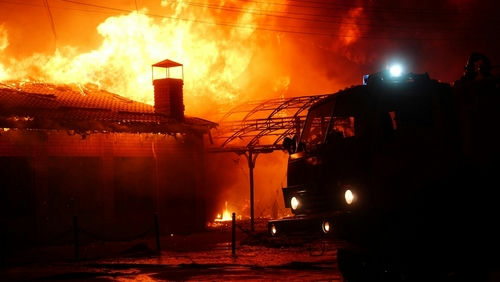
OSV News reported that Israeli settlers attacked homes in Taybeh on June 26 and lit a fire at the town’s eastern entrance. The same report said the Israeli military detained five suspects and handed them to police [1]. Aid to the Church in Need said later attacks scorched cars and brought flames near St. George’s Church, raising fears for sacred sites [9][14]. These details explain why the town, known for its Christian roots, feels under threat and on edge [2].
Vatican News reported that parish priests from three traditions condemned repeated violence against Christian residents, describing fear and damage to property [8]. Videos and posts online show burned vehicles and smoke, but social media lacks verified forensic detail [3][4]. The mix of local testimony, church statements, and images paints a troubling picture. It also shows the limits of real-time proof about who started each fire and whether a court can sustain those charges [8][9].
What We Know Versus What Is Still Unproven
The record shows attacks, fires, and arrests. It does not show a court verdict or a public arson report that ties named suspects to ignition sources. OSV News confirms detentions, which signals suspicion, not guilt [1]. Church-linked outlets describe flames near church grounds and the cemetery, but they do not provide lab results or chain-of-custody evidence [9][14]. That gap is common in the West Bank, where facts emerge slowly and legal processes lag behind news cycles [2][8].
Residents and clergy say settlers aimed to intimidate a small Christian community. That claim aligns with reports of repeated assaults and property damage [8][14]. The weight of those accounts is significant, especially with video of burned cars [3]. But the lack of a completed legal process means some key points remain open. Readers should hold two ideas at once: serious evidence of harm exists, and final responsibility for each fire awaits formal findings [1][9].
Israeli settlers torching Taybeh right now, the last fully Christian village in the West Bank. Where Jesus sought refuge. Home to Palestine’s oldest living Christian community.
This is how "Judeo-Christian values" look in practice ? https://t.co/00jbCdmjnI
— Sangel 🪽 (@sahmetkiz) June 9, 2026
Why This Story Hits A Nerve Across Politics
Americans who distrust elites see a familiar pattern here. A vulnerable town pleads for help while larger systems move slow. Church leaders warn of rising threats, yet accountability is unclear [8][14]. People on the right and left can agree on this: protecting holy places and civilians should be basic. When officials delay clear answers, it feeds the view that power shields itself while everyday families bear the risk [2][8].
This case also echoes wider concerns about selective enforcement. Authorities detained suspects, but residents fear attacks will continue [1][8]. That mix fuels public doubt. Conservatives see weak law and order and danger to faith communities. Liberals see minority rights at risk and a widening gap between the protected and the exposed. Both sides see institutions that promise safety but struggle to deliver on it, again and again [2][14].
Broader Pattern: Churches, Cemeteries, And Farms As Flashpoints
Religious sites carry deep meaning. Reports show that attacks near churches and cemeteries spark intense local and global reaction [9][14]. Taybeh is often described as the last fully Christian town in the West Bank, which raises the stakes of each incident [2]. That status draws attention, advocacy, and pressure. It also increases noise and rumor, which can outrun official probes. Clear, public evidence matters most in these moments to cut through spin and fear [2][8].
Newsrooms, churches, and governments face a shared test. They must document damage, protect people, and publish verified facts fast. OSV News documented the June assault and arrests [1]. Aid groups and Vatican News amplified clergy concerns [8][14]. Those steps help. But open cases and slow forensics leave room for doubt and denial. The fastest way to rebuild trust is simple: release evidence, press charges where warranted, and show the public that the law still works [1][8][14].
Sources:
[1] Web – Israeli settler terrorists torch ancient Christian town of Taybeh in …
[2] Web – Israeli settlers attack Christian village in West Bank – OSV News
[3] Web – Taybeh Under Attack: The Erasure of Christianity in the Holy Land
[4] YouTube – Israeli settlers torch cars in Christian West Bank village …
[8] Web – After West Bank settler attacks, Christians express importance of hope
[9] Web – West Bank: Jewish settlers attack Taibeh residents – Vatican News
[14] Web – Israeli settlers torch cars in Christian West Bank village, …