

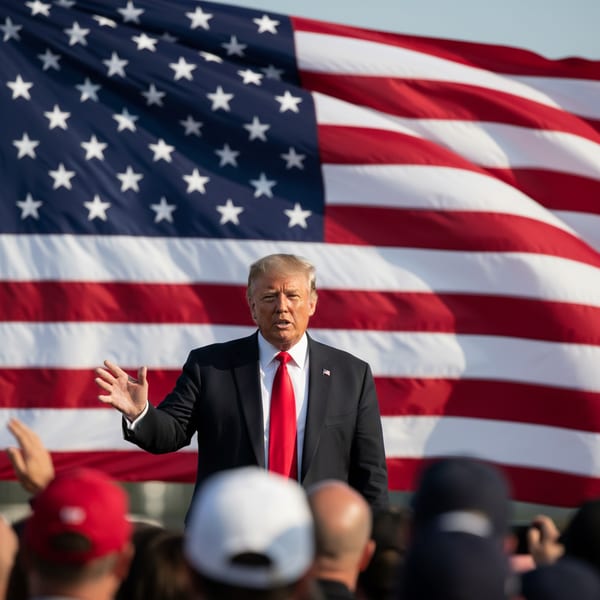
President Donald Trump launched an unprecedented political purge in Indiana, targeting seven Republican state senators who blocked his congressional redistricting plan. Early results show at least one incumbent already ousted as Trump-backed challengers flood Republican primaries with over six million dollars in opposition spending.
Redistricting Battle Sparks Revenge Campaign
The conflict erupted when Indiana GOP senators rejected a congressional remap that could have delivered two additional House seats to Republicans. Eight senators voted against the plan, and seven now face primary challengers personally endorsed by Trump. National conservative groups including Turning Point Action and Club for Growth poured millions into defeating the incumbents, with organizations linked to Senator Jim Banks leading the charge through Hoosier Leadership for America and American Leadership PAC.
Incumbents Fight Back With Funding Edge
Despite the massive outside spending against them, the targeted senators significantly outraised their challengers. The Indiana Senate GOP caucus pumped at least 2.4 million dollars into defending incumbents through the Senate Majority Campaign Committee. Reporting suggests Trump-backed challengers struggled to explain why voters should remove sitting senators, with most attacks avoiding the redistricting issue entirely. Five incumbents face head-to-head matchups, while two compete against multiple opponents, creating unpredictable three-way races in the 38th District where similarly-named candidates could split votes.
Key Contests Show Vulnerabilities
Senators Jim Buck and Spencer Deery absorbed the heaviest opposition spending in their districts. Senator Greg Walker faces state representative Michelle Davis, while Senator Travis Holdman’s challenger Blake Fiechter initially dropped out before restarting his campaign. Both Buck and Walker had planned retirement before the redistricting fight prompted them to seek reelection, potentially exposing weakness with voters. Governor Mike Braun’s allied groups also joined the effort against anti-redistricting incumbents, creating a coordinated establishment offensive.
What This Means For Republicans
The Indiana primaries represent Trump’s most aggressive intervention in state-level races, signaling his willingness to punish Republicans who oppose his agenda even on local redistricting matters. Decision Desk noted these state senate contests received more presidential attention than statewide or congressional races. The outcome will determine whether Trump can enforce party discipline through primary threats or if incumbents with strong fundraising can withstand outside pressure. Results could reshape how Republican legislators calculate defying White House priorities in future battles.