
President Trump’s Iran memorandum has left The New York Times and other critics scrambling, because the deal appears to have reopened the Strait of Hormuz and forced a new round of talks. The bigger fight now is not whether Trump moved fast, but whether the press will admit the agreement changed the battlefield.
Quick Take
- The reported memorandum of understanding says the United States and Iran will end hostilities and reopen shipping through the Strait of Hormuz.
- The deal is still a framework, not a final treaty, so key nuclear terms remain under negotiation.
- Trump says the agreement blocks Iran from getting a nuclear weapon and restores commerce in the waterway.
- Critics say the public text leaves major gaps on enforcement, missiles, and proxy forces.
What Trump Says the Deal Achieved
President Trump has pitched the agreement as a clear win for American power and regional peace. In his public remarks, he said the deal ends the current conflict, reopens the Strait of Hormuz, and stops Iran from ever getting a nuclear weapon [3]. The memorandum’s reported text also says Iran will not procure or develop nuclear weapons, which gives the White House a direct line to claim it delivered on a top goal [5].
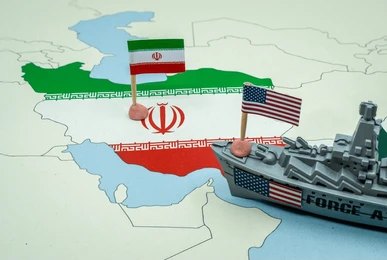
That message matters because the Strait of Hormuz is one of the world’s most important shipping lanes. Reuters reported that the draft memorandum includes reopening the strait and removing the naval blockade on Iranian ports, while CNN and Arab Center both reported language calling for the blockade to end within 30 days [1][4][5]. If those terms hold, Trump can argue he restored a critical trade route without a wider ground war.
Why Critics Say The New York Times Still Has a Point
The strongest counterpoint is that this is still a framework, not a finished peace treaty. The New York Times reported that the terms were still secret when first described and that the nuclear question stayed open for at least 60 days of follow-on talks [10][11]. NPR and other sources also describe the document as a memorandum of understanding with more negotiations ahead, which makes it hard to call the matter fully settled [2][4][5][6].
That gap matters because the public text does not answer every major question. Perry World House said the memorandum is silent on missiles and proxy forces, and it gives no detailed limits on Iran’s nuclear program [7]. The same reporting set shows the United States committing to sanctions relief and troop withdrawal in later phases, which means the price of the deal may be larger than the sound bites suggest [4][5][7].
Why The Media Fight Is So Heated
The New York Times has focused on the deal’s unfinished parts, not just its headline promises. Its reporting says the agreement remains a temporary arrangement while both sides negotiate a fuller settlement, and it highlights the lack of public detail around enforcement [10][13]. That does not erase Trump’s gains. It does mean the press can fairly say the administration has won a pause, not yet a final peace.
President Trump rips New York Times ‘cowards’ over response to Iran warhttps://t.co/IJiGd35uME
— RSBN 🇺🇸 (@RSBNetwork) June 22, 2026
For conservative readers, the key issue is simple. Trump appears to have forced movement where years of cautious diplomacy produced little. The question now is whether the White House can lock in the gains, keep pressure on Tehran, and avoid another round of vague globalist talk that hides weak enforcement behind polished language. If the strait stays open and Iran stays boxed in, the facts will matter more than the headlines.
Sources:
[1] Web – President Trump Just Ended the New York Times
[2] Web – On Wednesday evening, Trump signed the memorandum of …
[3] Web – Full text of Trump’s framework agreement to end Iran war – NPR
[4] YouTube – US releases details of the MoU with Iran
[5] Web – US releases official agreement with Iran. Read the 14-point text | CNN
[6] Web – The Full Text of the Memorandum of Understanding between the …
[7] Web – What’s in the deal between the US and Iran? – BBC
[10] Web – Trump Sends Tougher Peace Proposals Back to Iran, Officials Say
[11] Web – U.S. and Iran Sign Preliminary Deal, but Its Terms Remain Secret
[13] Web – U.S.-Iran Agreement Includes Strait of Hormuz, Lebanon and More