
Independent investigators say Israeli strikes repeatedly hit Gaza areas first labeled “safe,” raising fresh questions about warnings that failed to protect civilians.
Story Highlights
- Investigations document strikes inside zones Israel told civilians to use for safety.
- United Nations officials warn evacuations risk forcible transfer and say “nowhere is safe”.
- Israel says Hamas hides in civilian sites and calls these locations legitimate targets.
- Conflicting claims show the need for verified evidence on targets and munitions.
What Investigations Say About “Safe Zones”
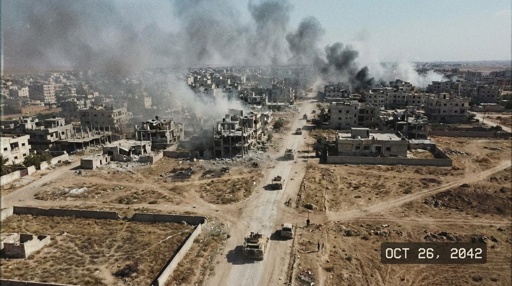
Forensic Architecture, a research group that maps conflicts, documented Israeli attacks inside areas Israel had described as humanitarian zones. Their May 2024 analysis found missiles landed within the boundaries of the expanded zone announced on May 6, showing people were not secure even where they were told to go. An additional case study on Tel al-Sultan detailed an airstrike inside a declared safe area, reinforcing a pattern rather than a one-off mistake. These findings challenge claims that safe corridors consistently kept civilians out of harm.
National Public Radio reported that attacks increased in southern Gaza after Israel told civilians to evacuate there. The report cited satellite data and civilian harm tracking that linked strikes to schools and shelters, suggesting “safer” areas saw intensified bombardment after orders to move south. An earlier analysis by Cable News Network identified strikes at three sites that Israel had previously designated for evacuation, indicating that warnings did not guarantee safety at those locations. Together, these outlets point to a troubling gap between orders and real protection on the ground.
Israel’s Justification and Unanswered Questions
Israeli officials say Hamas embeds in civilian areas, stores weapons in homes and schools, and turns neighborhoods into battlefields. They argue such sites become legitimate targets under the laws of war, and they cite operations against “terror sites, weapon storage areas, and operational centers,” including around Khan Younis. That claim explains the intent behind many strikes. But press reports do not include public target files, coordinates, or munition forensics for specific incidents in alleged safe zones, leaving some cases unverified in the public record.
Amnesty International reviewed several October 2023 strikes and reported no evidence of fighters or military objectives at the attack sites it investigated, saying Israel failed to take feasible precautions and to give effective warnings in some cases. The United Nations human rights office later warned that rolling evacuations risk “forcible transfer” and said “nowhere is safe” for families being moved again and again. These claims directly dispute Israel’s assurances that warnings work as intended and that civilians can rely on relocation maps to stay alive.
Why This Matters to American Readers
Taxpayers and voters expect clear answers when war zones change by the hour and when “safe zones” do not stay safe. When media outlets and investigators show a pattern of strikes in evacuation areas, citizens want proof of target selection and post-strike checks. Calls for operational logs, munition analysis, and verifiable intelligence would help confirm whether specific hits in designated zones aimed at real military goals or reflected breakdowns in process and care for civilians. Transparency builds trust; silence breeds doubt.
Conservatives believe words should match deeds. If a force directs families to move, those places must be protected as much as possible. When that does not happen, accountability and better rules are common sense. Demanding clear standards does not undermine Israel’s right to self-defense against terrorists who hide among civilians. It presses for methods that spare innocents and uphold the principle that life and liberty matter, even in war. That is aligned with American values and our interest in stability.
What Comes Next: Evidence, Oversight, and Guardrails
Independent teams could conduct on-site forensic reviews at contested locations to test claims about weapons storage and firing positions. Verified debris, blast signatures, and strike geometry would show what was hit and how. Publication of strike files, redacted as needed, could clarify the link between intelligence and the chosen aim points. That level of proof would either confirm the presence of military assets in alleged safe zones or reveal breakdowns that demand correction and discipline.
🟥 UPDATE NUMBER THREE | 16 JULY 2026
🔳 Journalists on the Ground
🟥 GAZA
🔳 “They lied to you when they told you there was a ceasefire.” Those were the words of a Palestinian from Gaza, describing a reality in which airstrikes, shelling, killings and displacement have… pic.twitter.com/9siVWD7Q8X
— shameen suleman (@shameensuleman) July 16, 2026
United States leaders can support rapid, credible investigations and push partners to tighten rules that protect civilians. Clear corridors, real-time deconfliction, and smaller, more precise ordnance reduce harm. If Hamas abuses human shields, document it and expose it. If strikes still hit shelters or tent camps, fix the process and compensate victims. Americans do not accept double talk. They expect results: stop terrorists, shield the innocent, and make every warning count in practice, not just on paper.
Sources:
cbc.ca, npr.org, ohchr.org, voanews.com, cnn.com, aljazeera.com, forensic-architecture.org, committees.parliament.uk, daleel-madani.org