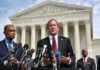

Hollywood’s biggest merger fight is now in court, and twelve states are trying to stop it before the deal closes.
Quick Take
- California and eleven other states filed suit in federal court to block the Warner Bros.-Paramount merger.
- The complaint says the deal would raise concentration in three markets tied to movies and cable channels.
- The states argue the merger violates Section 7 of the Clayton Antitrust Act.
- Paramount says the lawsuit is wrong on both the facts and the law.
State Officials Say the Deal Crosses the Line
Attorney General Rob Bonta and the other state lawyers say the merger would reduce competition in major parts of the entertainment business. Their complaint says Warner Bros. and Paramount are two of the five biggest film distributors and that the combined company would hold about 27 percent of wide-release movie distribution. It also says the merged firm would top 30 percent in anticipated blockbuster films and reach about 27 percent in basic cable licensing.
The states filed the case in the United States District Court for the Northern District of California and asked for a temporary restraining order and a preliminary injunction. That means they want a judge to freeze the deal before the companies finish joining together. The complaint also leans on Section 7 of the Clayton Antitrust Act, which bars mergers that may substantially lessen competition or create a monopoly.
Why the States Think the Merger Is Dangerous
The states are not arguing only about size. They say the merger would shrink the number of major film studios from five to four and give the new company more leverage over theaters and cable distributors. Their filing says the concentrated market would make it easier to raise costs, limit output, and narrow the choices people see in theaters and on TV.
Bonta made that case publicly when the suit was filed. He said the merger would “snuff out competition, drive up prices, diminish content quality and produce fewer movies and shows each year.” News reports also noted the states’ concern that the combined company could control nearly one-third of theatrical motion pictures and basic cable programming in the United States.
Paramount Says Federal Regulators Already Cleared the Deal
Paramount and its allies are pushing back hard. The company says the suit is “wrong on both the facts and the law,” and its lead antitrust lawyer, Jeffrey Kessler, says there will be no reduction in competition if the companies become one. The Federal Trade Commission’s 2023 merger guidelines also give agencies more room to challenge deals that push market concentration higher, which is why the states are leaning so heavily on market share numbers.
𝐂𝐀𝐋𝐈𝐅𝐎𝐑𝐍𝐈𝐀 𝐀𝐆 𝐁𝐎𝐍𝐓𝐀 𝐒𝐔𝐄𝐒 𝐓𝐎 𝐁𝐋𝐎𝐂𝐊 $𝟏𝟏𝟏 𝐁𝐈𝐋𝐋𝐈𝐎𝐍 𝐏𝐀𝐑𝐀𝐌𝐎𝐔𝐍𝐓 𝐌𝐄𝐑𝐆𝐄𝐑 𝐓𝐇𝐄 𝐃𝐎𝐉 𝐀𝐋𝐑𝐄𝐀𝐃𝐘 𝐀𝐏𝐏𝐑𝐎𝐕𝐄𝐃
California Attorney General 𝐑𝐨𝐛 𝐁𝐨𝐧𝐭𝐚 is leading a coalition of twelve state attorneys general suing to… pic.twitter.com/dxFhpVyv7v
— M.A. Rothman (@MichaelARothman) July 18, 2026
The company also has a strong federal answer on its side. The Antitrust Division of the United States Department of Justice closed its investigation and said the deal was not likely to harm competition or American consumers. That clearance does not end the state case, but it gives Paramount a powerful argument that federal enforcers saw no need for a block or even a remedy.
What Happens Next
The next fight is over timing. If the judge lets the merger close, the states may face a much harder battle to unwind it later. Legal analysts in the reporting say that once a deal is integrated, it becomes very hard to “unscramble the eggs.” That reality puts pressure on the states to win fast if they want to stop the transaction before it becomes a done deal.
For readers who care about competition, prices, and the size of media power, this case is bigger than one corporate marriage. It is a test of whether state attorneys general can still stop a massive merger after federal regulators have already signed off. It is also a reminder that in modern media, a handful of companies can still shape what millions of Americans watch, pay for, and hear.
Sources:
feedpress.me, jurist.org, apnews.com, youtube.com, nbcnews.com, wogx.com, finance.yahoo.com, variety.com, facebook.com