

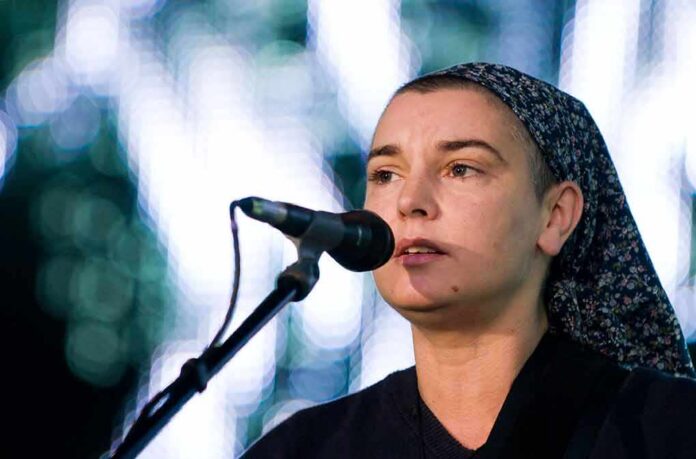
A British mother says a vivid dream about a breast lump pushed her to get checked, and that frightening moment has now led from a cancer ward to a Hollywood movie set.
Story Snapshot
- A 42-year-old British mom says a dream about a lump led doctors to find early breast cancer.
- She reports completing chemotherapy last November and is now clear of the disease.
- Soon after treatment, she was cast in a major film, turning fear into a new career break.
- Her story highlights both the power of early detection and the limits of “miracle” health narratives.
Dream prompts a life-saving cancer check
Former British model Kate Tickle, age 42, says her breast cancer journey began with one striking dream. She told reporters she dreamed she could feel a lump in her breast, and the scene was so real that she booked a doctor visit soon after. She says physicians could not feel any lump during the exam but sent her for a mammogram. That imaging test, she reports, showed something was wrong, leading to more checks and a final diagnosis.
Tickle says doctors told her she had stage 1 HER2-positive breast cancer, an early but aggressive form that often responds well to modern drugs. Stage 1 means the cancer was still small and had not widely spread, which improves the odds for long-term survival when treated quickly. HER2-positive cancers grow faster, but there are targeted medicines for that marker. Her story underscores a key point for readers: cancer found early is much easier to fight than cancer found late.
Chemotherapy, remission, and a sudden Hollywood break
According to the coverage, Tickle’s world turned upside down in May of last year when doctors confirmed the disease. She reports starting chemotherapy soon after and completing her treatment in November, only about six months later. The reporting says she is now clear of the illness based on follow-up checks, something many families pray to hear after months of hospital visits and side effects. For women who fear breast cancer, this is a real-life case where quick action appears to have saved a life.
Only months after finishing chemotherapy, Tickle says she received an unexpected phone call from the film world. She was offered a role in “Armani: The King Of Fashion,” described as her first major Hollywood acting job. For a mother of four coming out of cancer treatment, this is a dramatic change in fortune. Her journey, as reported, moves from quiet family life to health crisis, then to recovery and a new chance in front of the camera. Many readers will see it as an example of grit and faith paying off after a hard fight.
What her story can—and cannot—tell patients
This kind of “warning dream” story is powerful and easy to share, but it needs careful reading. Tickle herself does not claim that dreams can medically diagnose cancer. She simply says the dream scared her enough to see a doctor, and medical imaging did the real work. That sequence matters. In the United States and the United Kingdom, physicians stress regular breast screening and prompt follow-up on any concern as the proven way to save lives, not waiting for a vision or a sign.
Some speakers online claim that dreams can reveal hidden cancers, but medical reviews say there is no solid evidence for that idea. Doctors caution that relying on dreams instead of screening could delay care. The healthy takeaway from Tickle’s experience is simpler and safer: listen when something feels wrong, do not brush off fear, and push for real tests when you are worried. Early mammograms, ultrasounds, and biopsies remain the tools that actually catch breast cancer, especially in its first stages.
Early detection, family stakes, and media hype
For many families, breast cancer is not a headline—it is a daily battle. Stories like Tickle’s join a long line of accounts from women who survived after fast action and strong support from doctors and loved ones. These accounts often share the same pattern: a scary signal, a rush of tests, hard months of surgery or chemotherapy, and finally the relief of being told the cancer is gone or under control. Each case is different, but the constant theme is that delay makes outcomes worse.
Media outlets favor high-emotion health stories because they grab attention, especially when they mix fear, faith, and fame. Tickle’s path from a bedroom dream to a Hollywood set fits that mold, and readers should remember that not every detail is verified beyond her own statements. Still, the core facts support a clear lesson. Women should push for early testing, ask direct questions, and demand honest answers from the health system. That approach, not magical thinking, protects families and keeps more mothers and daughters alive.
Sources:
nypost.com, youtube.com, my.clevelandclinic.org, hopkinsmedicine.org, cancersupportuk.org, cancervic.org.au