

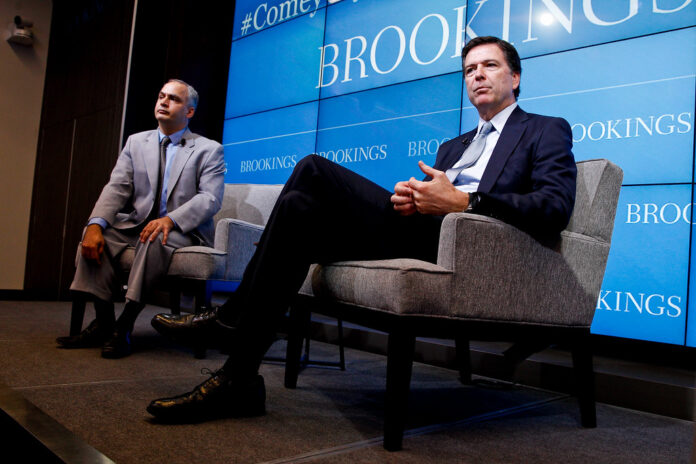
Former FBI Director James Comey surrendered to authorities following a federal grand jury indictment in North Carolina over allegations he made threatening statements against President Donald Trump on social media. The development marks an unprecedented legal action against a former head of the nation’s premier law enforcement agency, raising questions about free speech boundaries for high-ranking former officials.
The Alleged Social Media Post
Federal prosecutors in North Carolina obtained the indictment after investigating a social media post attributed to Comey that authorities characterized as threatening toward the president. The post, identified by the number 8647 in court documents, allegedly crossed the line from protected political criticism into criminal territory. Attorney General Todd Blanche confirmed the Department of Justice pursued the case after determining the content met federal standards for prosecution. Comey’s legal team has not yet issued a public statement regarding the specific allegations.
Second DOJ Indictment Adds Pressure
This represents the second Department of Justice indictment against the former FBI chief, compounding legal troubles for the once-powerful Washington figure. Sources familiar with the proceedings indicate Comey chose to self-surrender rather than face arrest, a common practice for white-collar defendants. The North Carolina venue suggests the alleged offense may have occurred while Comey was in that jurisdiction or targeted individuals there. Federal prosecutors typically file charges in districts where crimes occurred or where defendants reside.
Political Firestorm Erupts
The indictment arrives amid heightened partisan tensions over how former officials discuss sitting presidents on public platforms. Critics argue the prosecution represents governmental overreach targeting political speech, while supporters maintain no one stands above the law regardless of previous position. Constitutional scholars debate whether statements from former intelligence chiefs warrant different scrutiny given their unique knowledge and public influence. The case could set precedent for how authorities evaluate social media posts from retired government officials.
What Happens Next
Comey faces arraignment in federal court where he will enter a formal plea to the charges. If convicted, penalties could include substantial prison time depending on the specific statutes violated. The former director led the FBI from 2013 until his controversial firing by Trump in 2017, a termination that sparked allegations of obstruction and fueled ongoing political divisions. This prosecution ensures Comey’s complicated legacy will remain in the national spotlight as the legal process unfolds in coming months.
Sources
Komonews: Former FBI Director Comey surrenders after indictment over alleged threat against Trump