

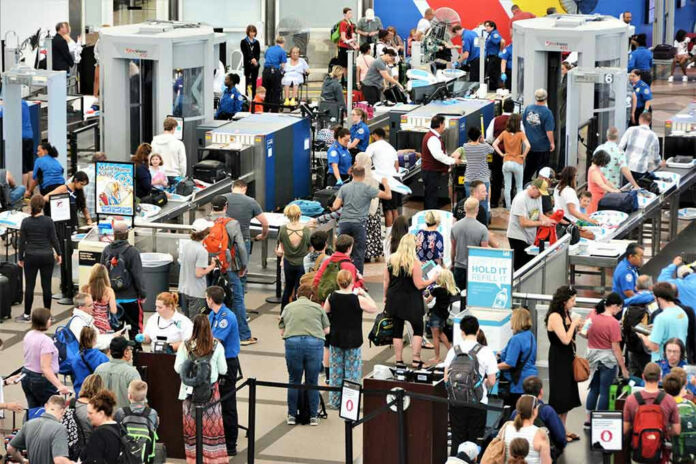
Soaring jet fuel costs are turning summer air travel into another hidden tax on American families already squeezed by years of inflation and bad energy policy.
Geopolitics, Energy Policy, And The New Price Squeeze
Rising jet fuel prices, driven in large part by renewed conflict involving Iran and regional suppliers, have quickly translated into higher costs for airlines and higher ticket prices for travelers. Jet fuel has reportedly more than doubled in some markets compared with last year, putting carriers under intense pressure heading into the peak summer travel season. Fuel is one of their largest expenses, so sudden spikes rarely stay on Wall Street spreadsheets; they land in Main Street wallets.
For a conservative, pro-growth audience, the pattern looks familiar. Global instability and tight energy supplies hit ordinary Americans first, whether at the pump or in the price of a plane ticket to see grandchildren. Airlines have limited control over oil markets, so they rely on price hikes, fees, and capacity changes to survive. When Washington and international institutions fail to secure reliable, affordable energy, families end up paying more just to maintain basic freedom of movement.
How Airlines Are Passing Costs To Travelers
Major carriers are already moving to offset higher fuel bills through a mix of fare increases, fuel surcharges, and higher baggage and ancillary fees. Reports describe noticeable jumps in international economy tickets and steadily rising domestic summer fares, especially on high-demand routes where competition is limited. Rather than slashing flights immediately, airlines are quietly stripping out the cheapest fare buckets and tacking on add-on charges, making it harder for budget-conscious families to find a genuine deal.
Industry analysts advising travelers now warn that waiting for prices to drop is unrealistic in the current environment. Demand for travel remains surprisingly resilient, especially among premium customers and business flyers, which gives airlines room to push through increases. For conservatives watching household budgets, that means the traditional strategy of shopping around and booking late may backfire. The new reality is “book earlier, pay more anyway,” as carriers protect margins while hoping fuel prices eventually fall back from crisis levels.
Who Gets Hurt First When Air Travel Costs Spike
Higher airfares land hardest on price-sensitive travelers who lack corporate expense accounts or elite status. Families planning long-awaited vacations, grandparents flying to see new grandchildren, and working Americans trying to afford a simple summer getaway feel the squeeze immediately. Reports suggest regional and secondary airports face particular risk if carriers decide to prune routes that are less profitable once fuel costs surge, leaving some communities with fewer options and higher prices for the flights that remain.
Low-cost carriers, which many frugal travelers rely on, may face disproportionate margin pressure because their business model assumes tight costs and competitive base fares. If fuel stays elevated, these airlines could be forced to cut capacity, trim frequencies, or pivot more aggressively into add-on fees. That would undercut the very competition that normally restrains prices and keeps legacy airlines honest. In practical terms, the free-market benefits conservatives value can be weakened when energy shocks distort the playing field.
Long-Term Risks: Fewer Seats, Higher Prices, And Mobility Strain
Experts outline a clear progression if jet fuel remains expensive: first fares and fees rise, then discount inventory disappears, and eventually airlines start cutting routes and flights that no longer cover their costs. Some carriers are already signaling possible schedule reductions to preserve profitability. Over time, that can mean fewer low-fare seats on key routes, less service to smaller markets, and a travel system tilted even more toward those able to absorb higher prices without changing plans.
Rising Jet Fuel And Ticket Prices Could Disrupt Summer Air Travel https://t.co/e5qjhNa7cn
— zerohedge (@zerohedge) May 13, 2026
From a conservative standpoint, sustained energy-driven travel inflation is not just a budget annoyance; it chips away at the basic American expectation of mobility and opportunity. When families need to think twice about the cost of visiting loved ones or taking their kids to see historic sites, the country feels smaller and more constrained. Until energy policy and geopolitical strategy deliver stable, affordable fuel, travelers will remain exposed to price shocks that make every summer feel a little less free.
Sources:
Marketplace: Rising fuel costs could make summer travel more expensive
Intellectia.AI summary: Airlines Raise Fares Amid Rising Jet Fuel Costs
CBS News: Planning to fly this summer? Book now before prices surge, airline…
FOX5DC / FOX Business: Soaring jet fuel prices threaten to drive up summer travel costs