

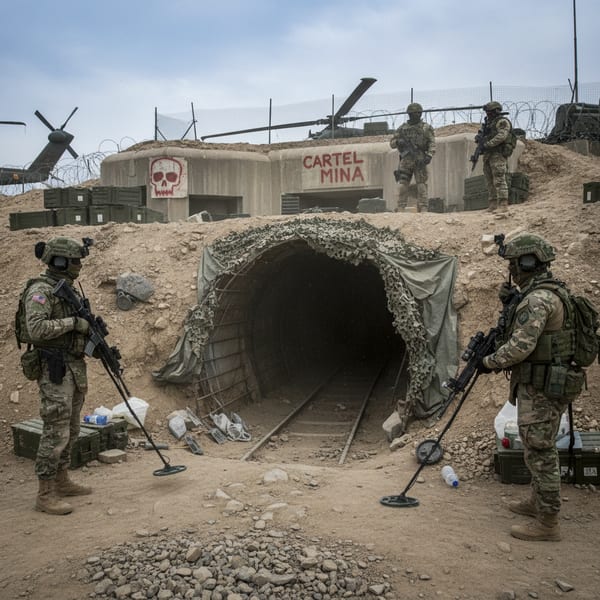
A Colombian military installation became the center of international scrutiny after The New York Times discovered an illegal cartel-run gold mining operation on the base, raising questions about military corruption and criminal infiltration of government facilities in South America.
Discovery Reveals Criminal Infiltration
Reporters investigating illegal mining operations in Colombia uncovered evidence of cartel activity directly on a Colombian military base. The discovery exposed a sophisticated criminal network operating with apparent impunity on government-controlled land. The illegal gold mining operation utilized heavy equipment and employed numerous workers, suggesting long-term operations rather than a temporary setup. The presence of such activity on a military installation raises fundamental questions about oversight, accountability, and potential corruption within Colombian defense forces.
Following the publication of the investigation, Colombian authorities launched immediate inquiries into how cartel operations established themselves on military property. Officials promised accountability for any personnel involved in facilitating or ignoring the illegal activity. The government faces pressure to demonstrate credible enforcement against organized crime networks that have historically exploited weak oversight. Military commanders announced inspections of other installations to determine whether similar operations exist elsewhere. The scandal threatens Colombia’s international reputation as it seeks closer security partnerships with the United States and other allies who demand accountability in counter-narcotics efforts.
Canada Says Its Gold Is Traceable and Clean. So We Traced It.
We ended up in a Colombian mine controlled by a drug cartel.https://t.co/842QN5mWJe— Julian Assange (@ImJulianAssange) April 27, 2026
Gold Mining Fuels Cartel Operations
Illegal gold mining has emerged as a major revenue source for Colombian criminal organizations, rivaling traditional drug trafficking in profitability. Cartels exploit remote areas and corrupt officials to extract gold worth millions while devastating local environments and displacing communities. The mining operations often involve forced labor and violent intimidation of anyone who challenges their control. Environmental damage from these activities includes deforestation, mercury contamination of water supplies, and destruction of agricultural land that communities depend on for survival.
Implications For Regional Security
The revelation that cartels operate on military property demonstrates the depth of criminal penetration into Colombian institutions. American taxpayers have provided billions in security assistance to Colombia over decades, with mixed results in combating organized crime. The scandal highlights ongoing challenges in building reliable partner forces in regions where corruption remains endemic. Colombian President faces mounting pressure to deliver meaningful reforms and prosecutions that demonstrate genuine commitment to dismantling cartel networks rather than merely managing their activities through compromised enforcement agencies.