

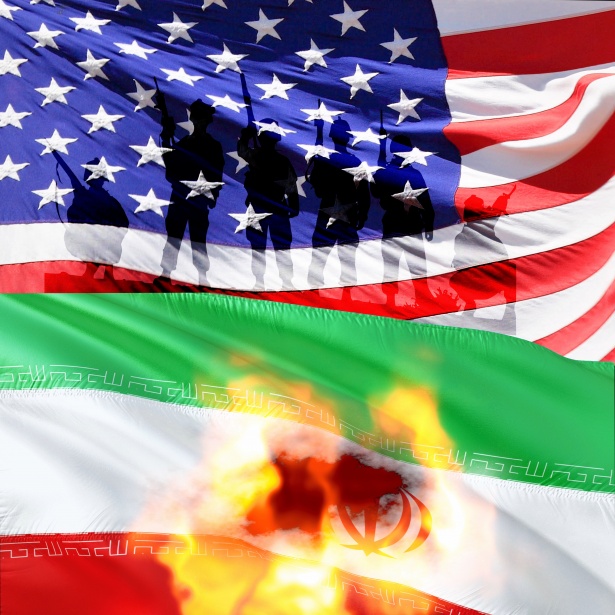
The United States and Iran stand on the brink of a historic agreement to end hostilities in the Gulf region, with negotiators working to finalize a one-page memorandum that could bring peace after months of escalating tensions. According to sources familiar with the Pakistan-mediated talks, American officials await Iranian responses on several critical points within the next 48 hours.
Trump Signals Major Progress
President Donald Trump indicated significant advancement toward resolving the conflict, stating that great progress has been made toward a complete and final agreement with Iranian representatives. This development follows Trump’s decision to pause Operation Freedom, the military initiative designed to protect commercial shipping through the Strait of Hormuz. The strategic waterway has been a flashpoint for confrontations between American forces and Iranian military units throughout the crisis.
Pakistani mediators have worked behind the scenes to bridge differences between Washington and Tehran. The effort represents a diplomatic breakthrough after months of military posturing and threats from both sides. Sources close to the negotiations indicate that the simplified one-page format reflects a mutual desire to avoid complicated bureaucratic obstacles that could derail the peace process.
Critical 48-Hour Window
American negotiators have presented Iran with final terms requiring response within a tight two-day deadline. The urgency reflects growing international pressure to resolve the standoff before it spirals into broader regional conflict. Maritime insurance costs have skyrocketed as shipping companies navigate the dangerous waters where American and Iranian naval forces maintain aggressive postures. Energy markets remain volatile as traders factor in the possibility of supply disruptions.
What Comes Next
The potential agreement would mark a dramatic shift in Middle Eastern geopolitics and vindicate Trump’s willingness to combine military pressure with diplomatic engagement. While specific terms remain confidential, the framework apparently addresses Iranian concerns about economic sanctions while securing American interests in freedom of navigation. Success would demonstrate that direct negotiation backed by credible military deterrence can resolve conflicts that have defied resolution for decades. The next 48 hours will determine whether this diplomatic gambit succeeds or whether the Gulf region faces continued instability.